How Swiss Licensing Shapes Mobile Slot Algorithms for Players in the Basel Area
Kai Günther · Sep 26, 2026

How Swiss Licensing Shapes Mobile Slot Algorithms for Players in the Basel Area
Swiss federal licensing requirements establish strict parameters for random number generators used in mobile slot games available to players in the Basel area, and these rules dictate everything from sequence generation to payout structures. The Swiss Federal Gaming Board oversees certification processes that all operators must complete before offering titles on licensed platforms, which means algorithms undergo repeated testing for statistical fairness before deployment.
Regulatory Framework Governing Mobile Slots
The Federal Act on Games of Chance sets baseline standards that shape how developers program mobile slot mechanics, and operators serving the Basel region must integrate certified systems that align with national oversight. Licensing demands documented proof that algorithms produce outcomes independent of player history or device type, so mobile applications running on iOS or Android maintain identical randomness protocols. Data from regulatory audits show that these checks occur at multiple stages, including initial approval and periodic re-evaluations, which prevents modifications that could alter return-to-player percentages outside approved ranges.
Basel players access games through platforms connected to licensed Swiss casinos, and this connection requires real-time reporting of game performance metrics back to oversight bodies. Algorithms therefore incorporate logging functions that record every spin result without storing personal identifiers, allowing regulators to verify compliance while protecting user privacy under data protection statutes.
Algorithm Certification and Technical Standards
Certification laboratories evaluate mobile slot code for compliance with Swiss technical specifications, and these evaluations focus on entropy sources, distribution uniformity, and resistance to prediction methods. Once approved, the algorithm receives a unique identifier that operators must display within game settings, giving Basel area users a direct reference point for verification. Research indicates that approved systems limit certain bonus features to maintain overall game volatility within defined boundaries, which influences how developers design reel mechanics and multiplier triggers.
Updates scheduled for September 2026 introduce enhanced reporting requirements for mobile platforms, requiring algorithms to transmit additional performance indicators during live sessions. Those who manage licensed operations note that these changes build on existing frameworks rather than replacing them, so current RNG cores will receive incremental adjustments instead of complete rewrites.
Impact on Player Experience in Basel
Mobile slot interfaces for Basel users reflect licensing constraints through visible elements such as fixed payline configurations and standardized help screens that explain RTP calculations. Because algorithms must function identically across network conditions common in the region, developers optimize code to handle variable latency without compromising outcome integrity. Figures from industry reports reveal that licensed titles maintain consistent hit frequencies regardless of connection speed, which stems directly from certification mandates.
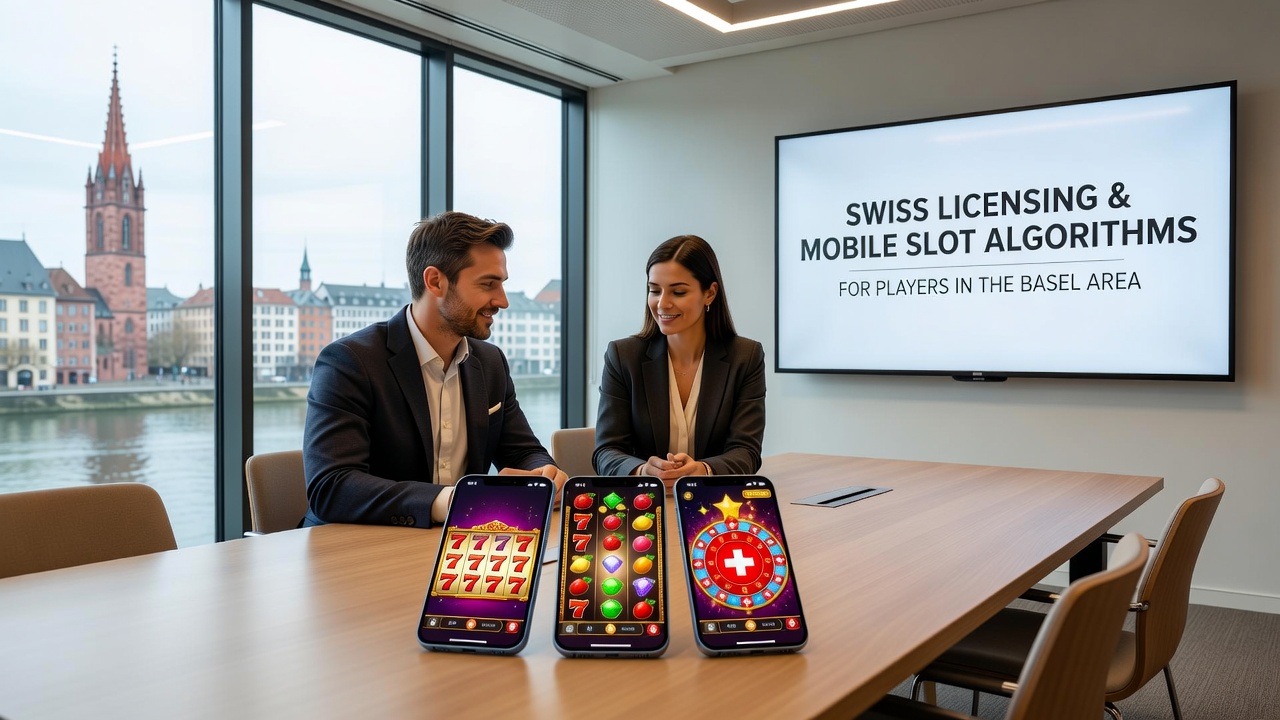
Local network providers in the Basel area support the infrastructure needed for secure data transmission, and licensed operators integrate encryption layers that align with both gambling and telecommunications regulations. This integration means slot sessions remain uninterrupted during routine regulatory data pulls, preserving gameplay flow while satisfying oversight demands.
Comparison with Other Jurisdictions
Swiss standards differ from those applied in Australian state regulations, where separate testing protocols emphasize different volatility metrics, and observers note that Swiss licensing places greater weight on uniform outcome distribution across mobile devices. A study published by the University of Nevada Reno examined cross-border regulatory effects and found that European licensing models, including Switzerland's, often require more frequent algorithm audits than North American equivalents. Operators serving Basel therefore maintain dual compliance documentation when games originate from international studios, ensuring each version meets local specifications before release.
Industry associations such as the European Gaming and Betting Association publish annual summaries of licensing trends, and these documents show increasing convergence around RNG transparency requirements across multiple regions. Basel players encounter the results of these standards in the form of restricted jackpot pooling options and mandatory cooling-off mechanisms built into the game code itself.
Future Developments and Compliance Monitoring
Monitoring systems operated by the Swiss Federal Gaming Board track algorithm performance in real time, and any deviation triggers automatic reviews that can pause distribution to Basel accounts until verification completes. The September 2026 updates will expand these monitoring capabilities to include predictive analytics that flag potential drift in random sequences before it affects player outcomes. Developers respond by embedding self-diagnostic routines within mobile applications, allowing games to pause and report anomalies without external intervention.
Conclusion
Swiss licensing continues to define the technical boundaries within which mobile slot algorithms operate for players in the Basel area, and these boundaries produce measurable effects on game design, reporting, and session management. Certification processes, technical audits, and upcoming regulatory adjustments scheduled for September 2026 together create a structured environment where randomness remains verifiable and consistent across licensed platforms.