Swiss Federal Oversight and Its Effect on Virtual Table Game Payout Structures for Basel Residents
Riley Schmidt · Oct 10, 2026
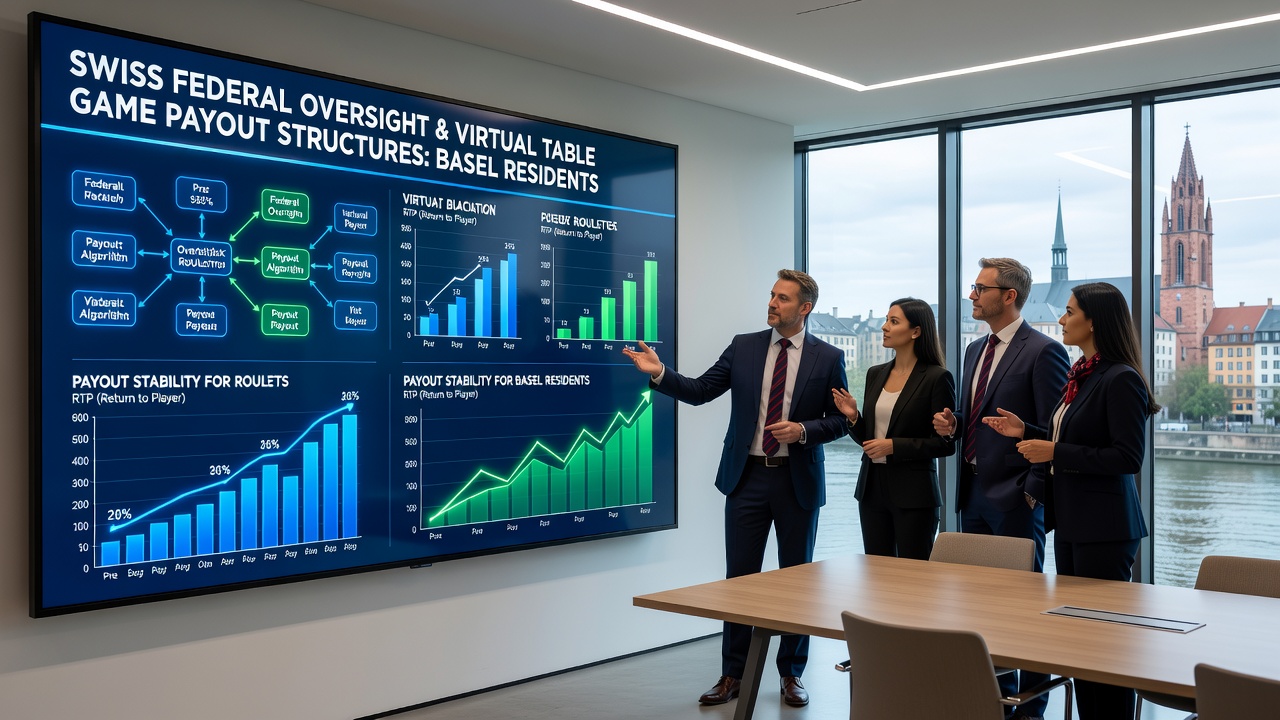
Swiss Federal Oversight and Its Effect on Virtual Table Game Payout Structures for Basel Residents
Swiss federal oversight operates through the Federal Act on Gambling which took effect in 2019 and continues to shape how virtual table games reach players in Basel with structured requirements for payout percentages and transparency measures. The Eidgenössische Spielbankenkommission enforces licensing standards that apply to all authorized platforms offering digital blackjack and roulette variants while cantonal authorities handle additional compliance checks for residents in the Basel region. Data from regulatory filings shows that licensed operators must maintain return-to-player rates within defined ranges that account for house edge calculations across virtual formats and these parameters get reviewed during annual audits.
Regulatory Framework and Licensing Requirements
Basel residents access virtual table games only through platforms that hold federal or cantonal approval and this restriction channels activity toward operators who publish verified payout data at regular intervals. The framework requires detailed reporting on game mathematics including how random number generators determine outcomes in simulated card and wheel environments and observers note that these rules create consistent benchmarks across different providers. When operators apply for renewal they submit updated simulations that demonstrate compliance with payout thresholds and this process occurs before any new virtual table titles reach the market.
Impact on Payout Structures for Virtual Table Games
Virtual blackjack and roulette sessions for Basel users reflect these oversight mechanisms through fixed minimum return-to-player percentages that operators cannot adjust without prior notification to authorities. Research indicates that such controls stabilize payout distributions over extended play periods and figures reveal lower variance in reported outcomes compared to unregulated environments. Platforms must display current RTP values directly in game interfaces so players see the exact percentages before placing wagers and this visibility stems directly from federal transparency mandates.
Developments Anticipated in October 2026
October 2026 marks the next scheduled review cycle for several oversight provisions that could adjust payout reporting intervals for virtual table games and regulators plan to incorporate new data analytics tools during that period. Basel-based operators have already begun preparing documentation that outlines projected changes to house edge calculations while maintaining the core structure established under current licensing rules. Those who monitor these timelines note that the updates will emphasize real-time auditing capabilities without altering the fundamental payout ranges already in place.
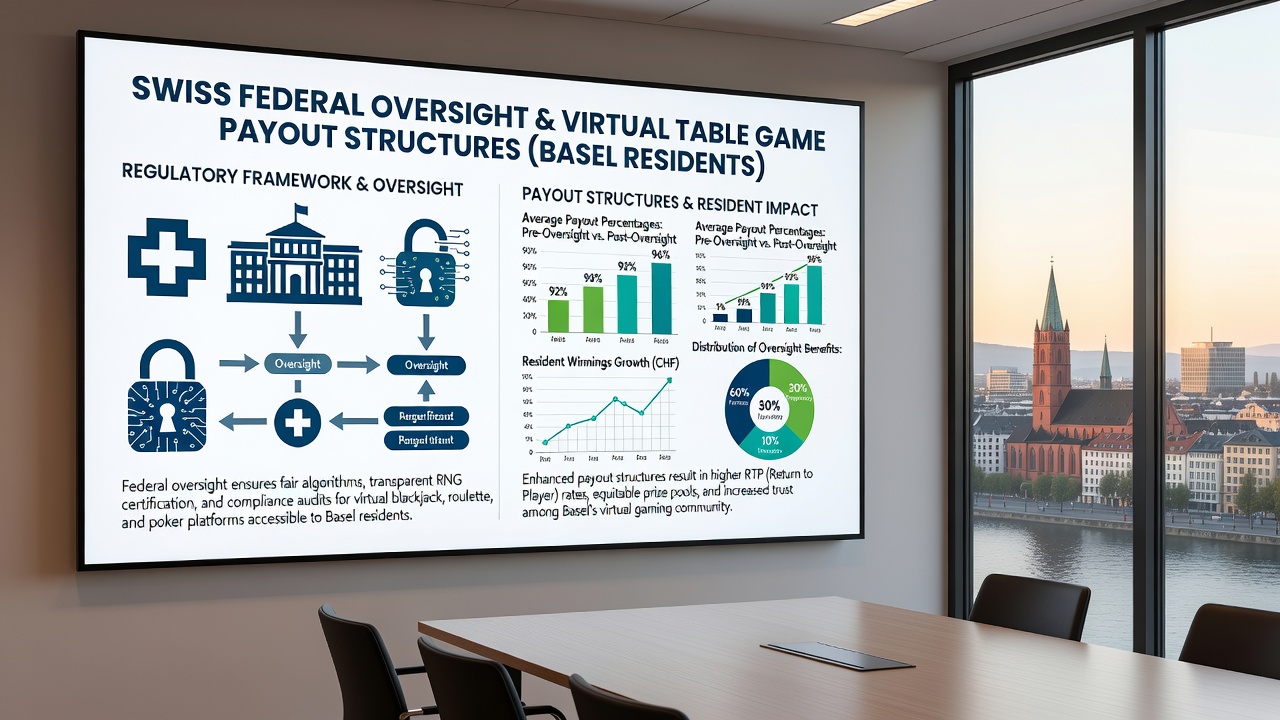
Comparative Data from Broader Regulatory Sources
According to reports published by the Eidgenössische Spielbankenkommission payout consistency for licensed virtual games has remained within expected parameters across multiple audit cycles. Broader industry analyses from the Canadian Gaming Research Institute provide additional context on how similar oversight models influence digital table game economics in other jurisdictions and these comparisons highlight the emphasis Swiss rules place on verifiable fairness. Basel residents therefore encounter payout structures that align with these documented standards rather than variable offerings found outside regulated channels.
Operational Adjustments by Licensed Providers
Operators serving the Basel area adjust their virtual table game portfolios to meet federal specifications and this includes recalibrating bonus features or side bets so they remain compatible with approved payout models. Compliance teams track every modification through internal logs that authorities can access during inspections and the result is a system where payout integrity receives continuous attention. Players in the region often discover that game rules list the exact mathematical return alongside any progressive elements and this practice follows directly from oversight guidelines.
Conclusion
Federal oversight continues to define the boundaries within which virtual table game payouts operate for Basel residents through licensing, reporting, and verification processes that maintain standardized structures. The mechanisms established under the 2019 legislation and subsequent refinements ensure that operators present consistent data on return percentages while preparing for further procedural updates in October 2026. Those who examine the regulatory landscape find that these controls produce measurable effects on how digital blackjack and roulette sessions function within the approved ecosystem.