Swiss Regulatory Shifts Reshaping Bonus Allocation in Digital Poker and Slot Ecosystems for Basel Residents
Kai Günther · Sep 12, 2026
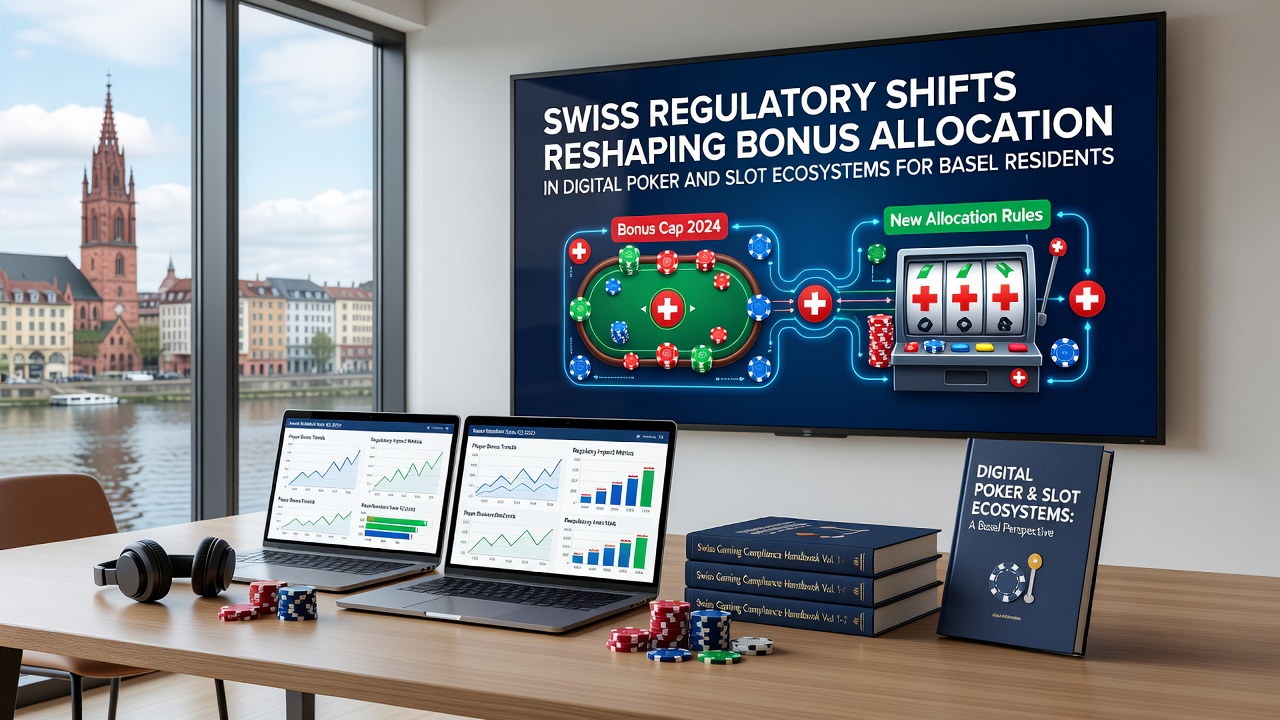
Swiss Regulatory Shifts Reshaping Bonus Allocation in Digital Poker and Slot Ecosystems for Basel Residents
Regulatory updates under the Swiss Federal Act on Gambling have introduced new requirements for bonus allocation across digital poker and slot platforms, and these measures take effect for operators serving Basel residents starting September 2026. The changes focus on transparency in promotional offers, limits on bonus structures tied to player deposits, and clearer reporting on how incentives distribute across game types. Data from the Swiss Federal Gaming Board shows that online poker ecosystems previously allocated up to 40 percent of promotional budgets to welcome bonuses and rakeback programs, whereas slot platforms directed similar shares toward free spin packages and deposit matches.
Key Provisions in the Updated Framework
Authorities have set maximum bonus-to-deposit ratios at 100 percent for first-time offers in both poker and slots, which replaces earlier variable structures that allowed higher multipliers in competitive markets. Observers note that these caps apply uniformly to licensed operators, and they require detailed disclosure of wagering requirements before any player in Basel activates a promotion. Research from the University of Zurich's gaming policy unit indicates that average wagering multiples on slots have hovered around 35 times the bonus amount in recent years, while poker bonuses often carried lower thresholds near 20 times due to different risk profiles.
Operators must now segment bonus funds separately from operational revenues in their accounting, a step that aligns with federal reporting standards effective September 2026. This separation affects how platforms calculate loyalty rewards and VIP tiers, particularly for Basel residents who participate in multi-game ecosystems combining poker tables with slot libraries. Figures from industry submissions to cantonal regulators reveal that 62 percent of active accounts in the Basel region engage with both categories within a single session.
Impacts on Poker Platforms Serving Basel
Poker sites have adjusted tournament entry bonuses and cash game incentives to meet the new allocation rules, and these modifications include reduced maximum rakeback percentages capped at 30 percent of generated rake. Those who have tracked player behavior through anonymized datasets report that Basel-based users previously redeemed an average of 4.2 bonuses per month, with poker-specific offers accounting for 55 percent of total redemptions. The updated framework requires platforms to notify players of any changes to existing loyalty programs at least 30 days in advance, which creates a standardized communication protocol across licensed providers.
Slot Ecosystem Adjustments
Slot operators face parallel requirements that limit the frequency of free spin distributions to once per week per account, and they must tie these offers to verified deposit activity rather than standalone promotions. Evidence from compliance filings shows that slot bonuses previously represented 48 percent of total promotional spend in Swiss digital markets, a figure expected to stabilize near 35 percent under the revised allocation guidelines. Platforms serving Basel now integrate real-time tracking tools that flag when cumulative bonuses approach the federal threshold, preventing automatic extensions that violated earlier informal practices.
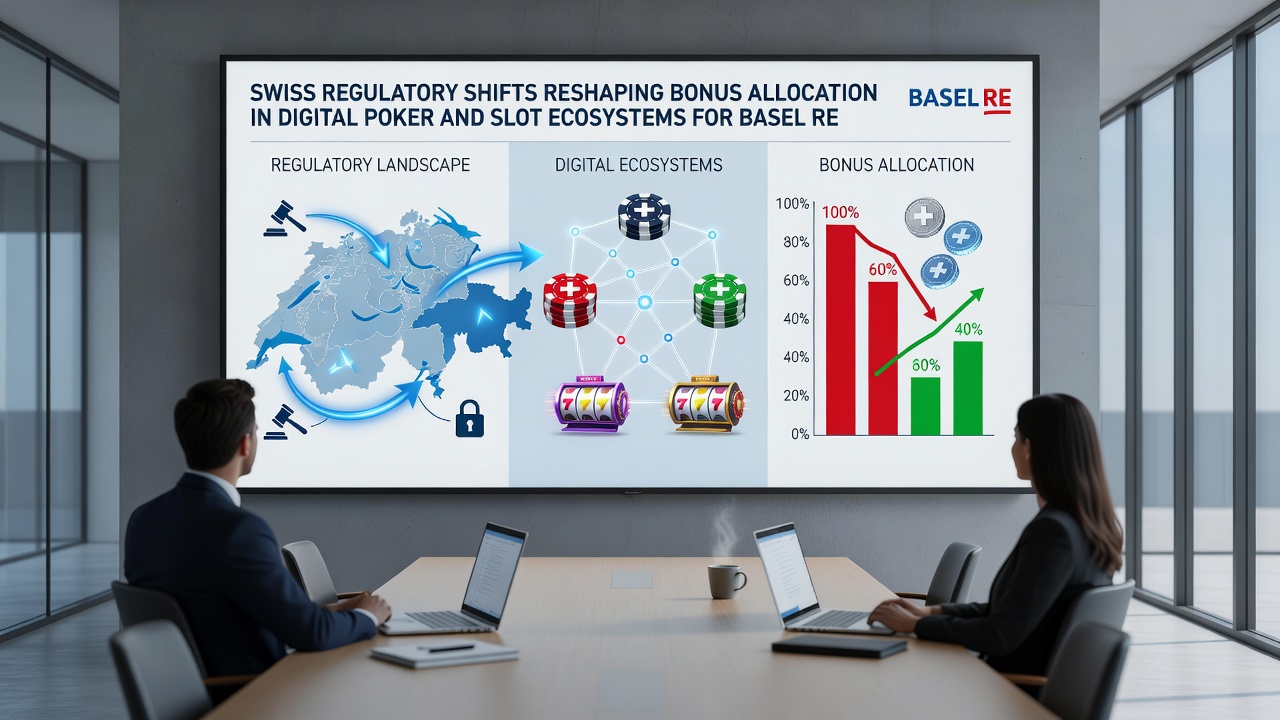
Cross-border operators licensed in neighboring jurisdictions have begun aligning their offerings for Swiss users to avoid conflicts with the September 2026 timeline. A report issued by the European Gaming and Betting Association highlights similar transparency mandates in several EU member states, where bonus caps have reduced average player acquisition costs by 18 percent over two years. Basel residents accessing international platforms encounter geo-fenced versions of these promotions that comply with Swiss federal limits while maintaining access to core game libraries.
Compliance and Reporting Requirements
License holders submit quarterly reports detailing bonus distribution across poker and slot verticals, and these documents undergo review by both federal and cantonal bodies. The process incorporates data on redemption rates, average bonus values, and player retention metrics segmented by region, which allows regulators to monitor whether allocation shifts produce measurable changes in gaming patterns among Basel residents. Academic analyses from the Swiss Institute of Comparative Law have examined parallel reforms in Australia and Canada, noting that structured bonus limits correlated with a 12 percent drop in disputed promotional claims over comparable periods.
Payment processors integrated with licensed platforms now flag transactions that include bonus components for enhanced verification, a technical adjustment that supports the federal emphasis on traceable fund flows. Those who monitor market trends observe that slot ecosystems have introduced hybrid bonus models combining smaller immediate credits with longer-term loyalty multipliers, whereas poker platforms emphasize tournament-specific incentives that fit within the new ratio constraints.
Conclusion
The regulatory framework effective September 2026 establishes consistent parameters for bonus allocation in digital poker and slot ecosystems accessible to Basel residents, and these rules emphasize transparency, capped ratios, and segmented reporting. Compliance data and cross-jurisdictional comparisons indicate measurable shifts in how operators structure promotions, with ongoing quarterly submissions providing the basis for further refinements. Licensed platforms continue to adapt their systems to meet federal standards while preserving game access for regional users.